


How Can Enamel Hypoplasia Be Treated?
Does dental bonding do a decent job with discolored tooth enamel? I have hypoplasia on most of my upper front teeth. I had a consultation with a cosmetic dentist who recommended veneers. I want something more conservative, though. Thanks. Kayleigh from GA
Kayleigh,
Enamel hypoplasia occurs when tooth enamel does not develop properly. The condition can result from genetic factors or health issues that occur during tooth development.
Because enamel is the tooth’s protective outer layer, incomplete development can leave teeth vulnerable to discoloration, rough surfaces, and uneven texture.
How Does Enamel Hypoplasia Affect Teeth?
The condition can range from very mild to quite severe.
Common signs include:
- White spots on the enamel
- Yellow or brown discoloration
- Small pits or grooves
- Thin enamel
- Areas where the underlying dentin becomes visible
Some patients have only one affected tooth, while others have multiple teeth involved.
What Is the Treatment for Enamel Hypoplasia?
Treatment for enamel hypoplasia depends on the severity of the case. Mild to moderate cases can benefit from dental bonding. However, for advanced cases, a dentist may recommend porcelain veneers or dental crowns.
Treatment for Mild Cases
When enamel hypoplasia is limited to small white spots or minor surface defects, conservative treatment is often the best approach.
Composite bonding can often improve the appearance of affected teeth without removing significant tooth structure. The bonding material is shaped and polished to blend with the surrounding enamel.
If the spots are minor and do not bother you, monitoring them may also be a reasonable option.
Treatment for More Severe Cases
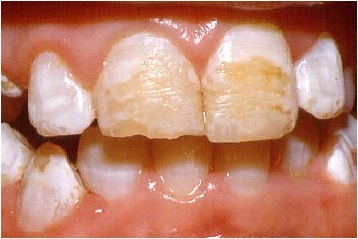
Severe enamel hypoplasia typically requires a more comprehensive solution. When enamel is extensively damaged, simply covering small areas with bonding may not provide a lasting or esthetic result.
Depending on the condition of the teeth, treatment may include:
- Porcelain veneers for visible front surfaces
- Full crowns when enamel loss affects a larger portion of the tooth
- Restorative treatment for multiple teeth when several teeth are involved
The objective is to strengthen the teeth while improving their appearance.
How to Choose the Right Dentist for Treatment
Enamel hypoplasia can be challenging to restore because natural enamel has depth, translucency, and color variation. Reproducing those characteristics requires both quality materials and experience.
Whether treatment involves bonding, veneers, or crowns, careful planning helps achieve a result that looks natural and functions well for years to come.
Dr. Thaddeus Michalski, a Rocky Hill, Connecticut dentist, sponsors this post. Read why many of his patients say he is one of the best dentists in town.